Autonomous cargo transport put to the test
02.10.2026
Can an autonomous electric tractor move air cargo between warehouses and aircraft stands in a busy, live airside environment? Between July and October 2026, Brussels Airport put that question to the test as part of the Stargate project. Discover what already works today and what is still needed before autonomous cargo transport can become part of daily operations.
The trial is a proof of concept is part of the Stargate project, with the aim to create Smart Airports of the future. Earlier trials tested autonomous shuttles for staff and an automated vehicle handling baggage containers indoors. This step took the testbed to one of the most demanding environments at the airport: the cargo zone.
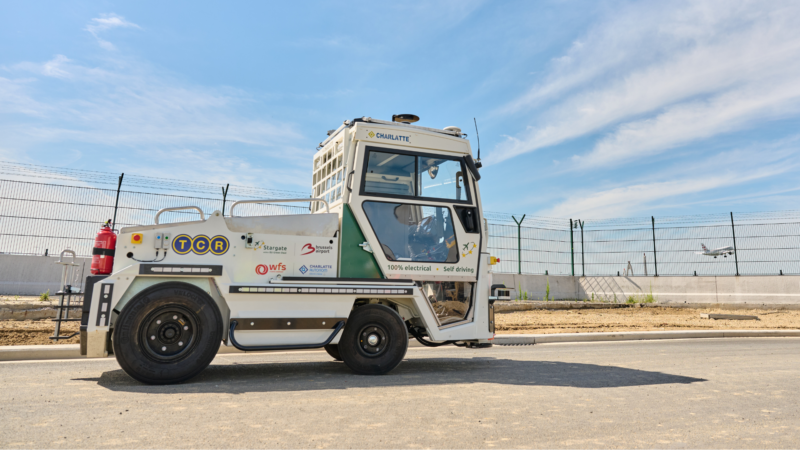
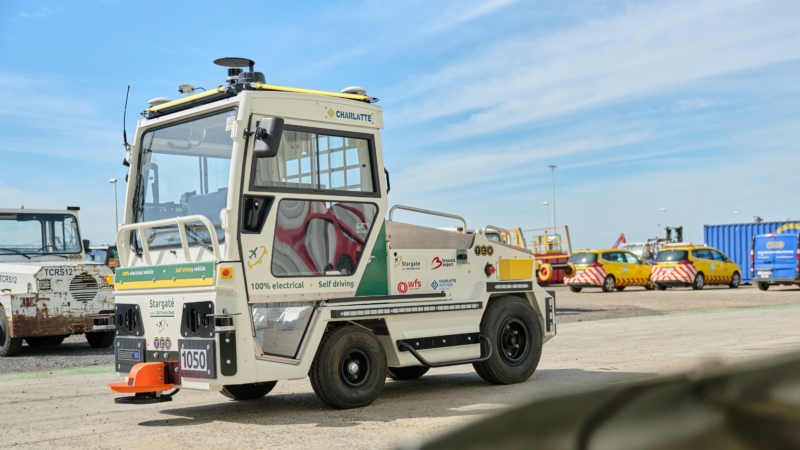
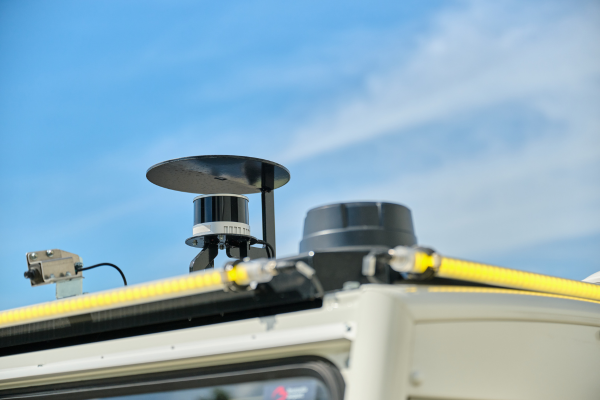
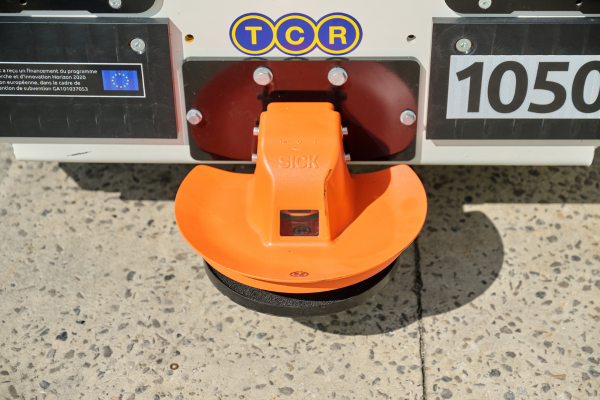
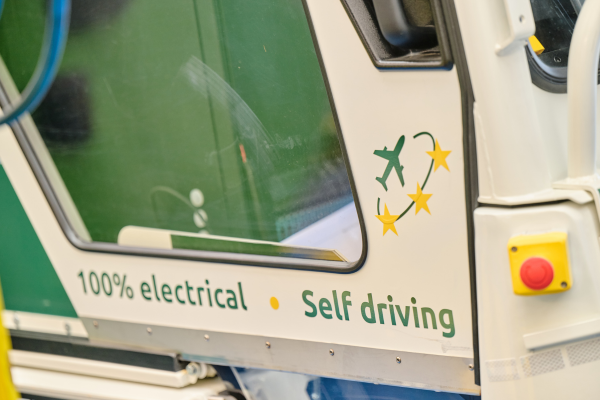
Together with CharlatteAutonom and WFS Cargo, Brussels Airport deployed the Charlatte AT135, an autonomous electric tow tractor that follows predefined routes using GNSS, LiDAR, cameras and safety scanners. It drove at up to 12 km/h, towing up to two dollies with real cargo. A trained safety operator was on board at all times during this testing phase.
Step by step, from test area to tarmac
Before supporting live cargo operations, the tractor underwent vehicle and route acceptance tests to assess its behaviour within the agreed operating conditions. The trials covered four transport use cases, progressing from movements between a holding point and an equipment staging area to routes connecting the WFS Cargo warehouse with the apron through security screening. The most complex route also included the tunnel beneath a runway and a taxiway crossing. Each route was mapped and assessed before operational use, while taxiway crossings were always completed manually by the onboard safety operator.
Across July–October 2026, the tractor covered approximately 700 km over 60 effective test days and 275 test hours. Testing progressed from empty dollies and dummy loads to real cargo.
More than a vehicle
The key lesson: autonomous cargo transport is about much more than the vehicle itself. The dollies behind the tractor take a different path through turns, so the complete convoy must be assessed. Smooth recovery after unexpected stops, reliable links with security and access control, and clear agreements with handlers and other airside users all determine whether the service really works. The surroundings matter too: congested buffer zones, roadworks and parked equipment all affected availability.
Onboard supervision also remained essential. Safety operators regularly stepped in preventively, confirming that supervision is still an integral part of today’s safety concept.
What comes next?
The next phase will need to demonstrate unattended operation, closer integration with the wider airport ecosystem and a complete business case. This will require longer, more intensive trials, validation of the full tractor-and-dolly combination before routes are extended, and stronger links with security screening and access control. A maturity roadmap can help define the evidence needed before supervision is reduced or the trial moves towards a regular service.
That roadmap should also address infrastructure. By taking the needs of autonomous vehicles into account whenever roads, staging areas or checkpoints are upgraded, airports can avoid costly adaptations later and make it easier to scale up once the technology is ready.